Challenges of Digital Transformation for Traditional Manufacturers: A Balancing Act Between Preservation and Adaptation
Digital transformation poses a significant challenge, especially for traditional manufacturers that have existed for generations.

Challenges of Digital Transformation for Traditional Manufacturers: A Balancing Act Between Preservation and Adaptation
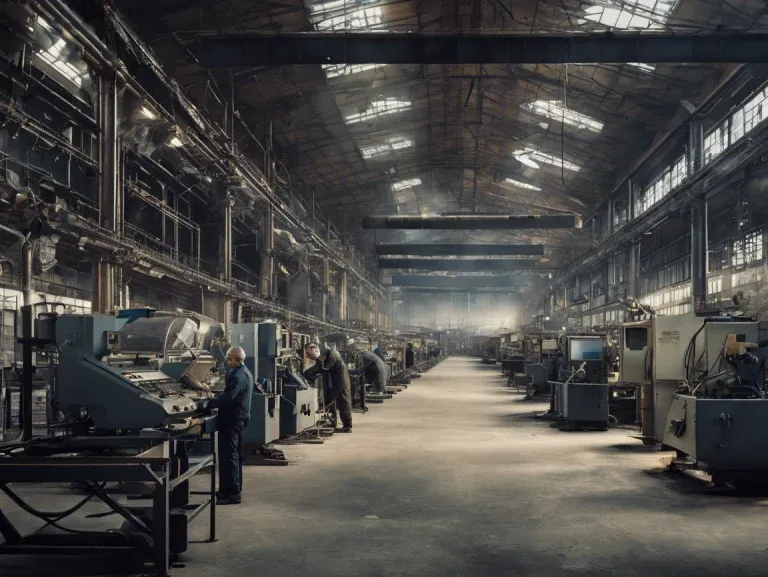
Digital transformation represents a significant challenge, especially for traditional manufacturers that have existed for generations. These companies have often established, over decades, proven processes and structures that have been successful in the past. However, in today's increasingly digital marketplace, these traditional methods are no longer sufficient to remain competitive.
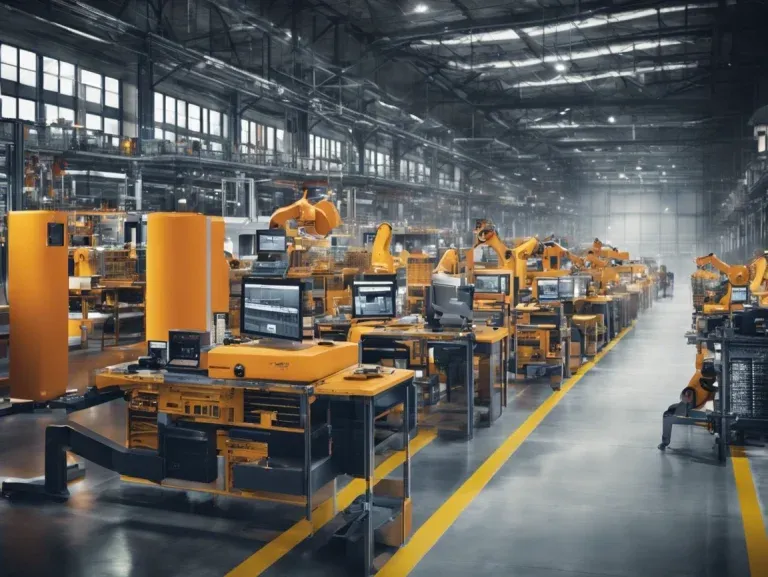
A central aspect of this challenge is the shift from large production batches to a multitude of smaller, customized orders, often produced "on demand." This shift requires not only high flexibility in production but also a comprehensive adjustment of the entire value chain. Companies that have specialized in mass production for decades suddenly need to be able to individualize their production processes and respond to new customer demands in the shortest time possible.
Furthermore, digital marketing plays an increasingly important role. While sales used to be conducted through traditional channels, such as trade fairs, sales representatives, or brick-and-mortar stores, today's market demands a strong online presence. For many established companies, this means investing in digital marketing strategies that are often unfamiliar to them. This includes not only creating and maintaining websites and social media channels, but also using data analysis to understand and target customer behavior.
Another complex issue is dealing with the modern online customer. This customer expects not only rapid and continuous order processing but also excellent customer service available 24/7. This requires companies to overhaul their entire communication and service infrastructure, which can represent a significant challenge, particularly for companies that have had little contact with the digital world until now.
Not every traditional company can successfully navigate this profound transformation. Some fail at digital transformation because they cannot modernize their internal processes quickly enough or because they lack the necessary digital competencies. Others, however, may need to fundamentally rethink or even abandon their business models because they lose connection with the digital world.
Digital transformation is therefore a double-edged sword for traditional manufacturers: while it offers enormous opportunities to access new markets and achieve efficiency gains, it also represents a significant threat if they fail to adapt in time and meet new demands. Success in this new digital world depends largely on how flexible and adaptable a company is and to what extent it is willing to question old structures and forge new paths.