
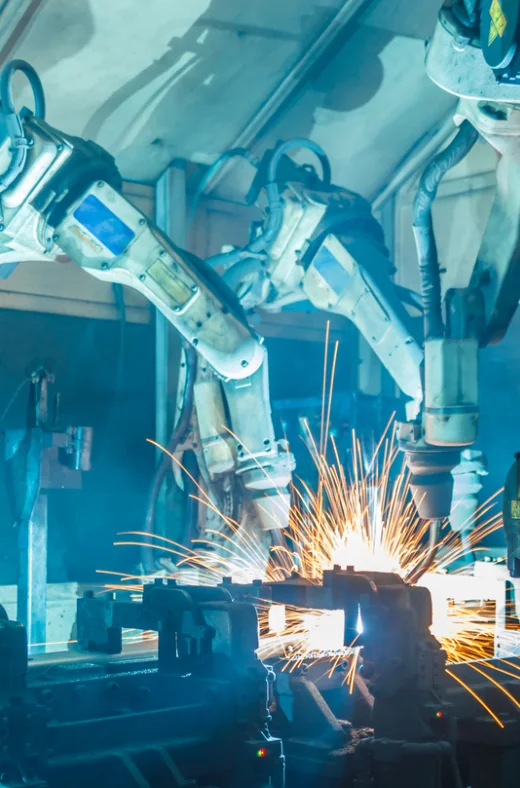
The Challenges of Transformation: Why Adapting Old Production Facilities is More Difficult Than Building New, Scalable Factories
Adapting traditional production facilities to the digital age is a complex and time-consuming process. Unlike new companies that can build scalable systems from the ground up, older businesses must overhaul legacy systems.
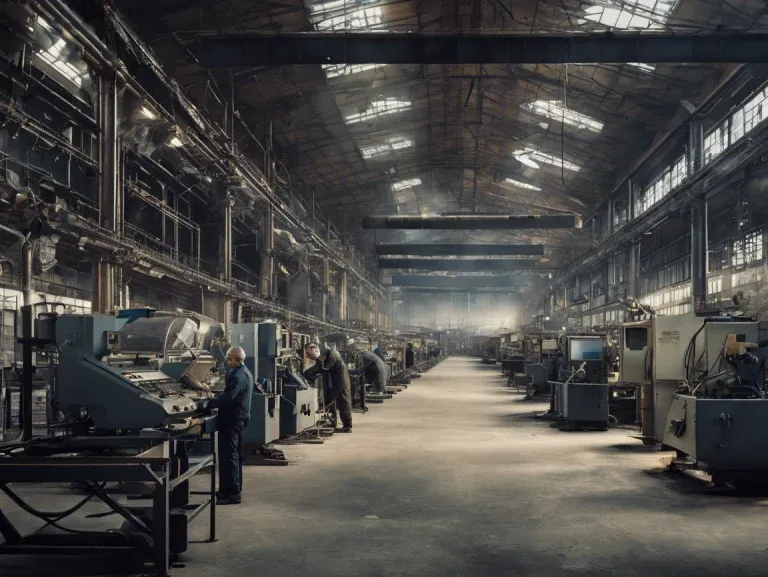
The Challenges of Transformation: Why Adapting Old Production Facilities is More Difficult Than Building New, Scalable Factories
Adapting traditional production facilities to the digital age is a complex and time-consuming process. Unlike new companies that can build scalable systems from the ground up, older businesses must overhaul legacy systems and retrain their workforce.
The digital transformation presents significant challenges for businesses worldwide, especially for established companies with a long history and traditional production processes. Compared to newly founded, scalable businesses that focus entirely on online sales, these older companies face a multitude of hurdles. Adapting old production facilities and their employees to meet the demands of the modern online business environment is often far more difficult and time-consuming than setting up a new, scalable factory.
The Burden of the Past: Technical and Structural Challenges
Traditional production facilities are often designed for a specific type of manufacturing and distribution that has remained unchanged for decades. These plants are frequently not built to handle the flexibility required by today's fast-paced online business. The machinery and processes used in these facilities have often been optimized over the years but for an analog world. Transitioning to digital processes doesn't just mean integrating new technologies but often involves completely overhauling existing structures.
In contrast, new companies can plan and build their production facilities from the ground up using the latest technologies. They can implement flexible and scalable systems tailored to the needs of a dynamic online market. These companies have the advantage of not carrying any legacy systems and can align their processes with the latest standards.
Human Factors: Transforming the Workforce
In addition to technical challenges, there are significant human factors that complicate the transformation. Employees in traditional businesses are often accustomed to specific workflows and technologies. Switching to new, digital processes requires extensive training and often a shift in corporate culture. This can lead to resistance and uncertainty, especially if long-standing employees feel that their skills are less valued in the new digital environment.
For newly established companies, this problem presents itself differently. They can build a team from the start that possesses the necessary digital competencies and is familiar with the latest technologies. This targeted development of an appropriate workforce leads to quicker adaptation to market demands and accelerates success.
The Timeline to Success: An Unequal Race
While long-established businesses often take years to adapt their structures and employees to the demands of the online market, new, digitally-oriented companies can move through this process much more quickly. The timeline to success is therefore significantly shorter for new companies that are built from the ground up with scalable technologies and a suitable workforce.
However, transforming old production facilities is not impossible. It requires strategic planning, significant investment, and strong commitment from management to implement the necessary changes. In the long run, this effort can pay off, as companies that successfully navigate this transition can benefit from both their longstanding experience and the advantages of the digital world.
Adapting old production facilities and their employees to the digital age is a complex and challenging task that goes far beyond simply swapping out technology. It is a profound transformation that encompasses both technical and human aspects and must be pursued continuously over many years. New companies that focus on scalability and digital competence from the outset have a clear advantage in terms of speed and efficiency in achieving market success. Nevertheless, the successful transformation of traditional businesses offers the potential to combine the best of both worlds: the experience and stability of longstanding companies with the agility and innovation of the digital era.